Charting Your Course: Market Research & Business Plan Essentials
Begin by mapping the local waterfront: who’s visiting, what experiences they seek, and who your competitors are. Visit marinas, talk to tourists, scan online reviews, and assess seasonal demand. Identify niche opportunities — sunrise yoga cruises, sunset cocktails, fishing charters, eco-tours — and estimate peak vs. off-peak revenue. Translate this research into a concise business plan that covers target market, service offerings, pricing strategy, projected cash flow, and break-even analysis. A clear plan helps secure financing and keeps decisions anchored when waves get choppy.
Licensing, Permits & Safety: Navigating Legal and Insurance Requirements
Regulatory compliance protects you and your guests. Research local, state, and federal boating laws: vessel registration, commercial operator licenses, and passenger-carrying endorsements are often mandatory. Obtain environmental permits if operating in protected areas. Secure robust insurance — liability, hull, pollution, and worker’s comp — and consult a broker experienced in marine operations. Safety culture matters: create written emergency procedures, maintain first-aid and life-saving equipment, and log regular safety drills. Being proactive about compliance reduces risk and builds guest trust.

Building Your Fleet: Choosing, Financing, and Maintaining Boats
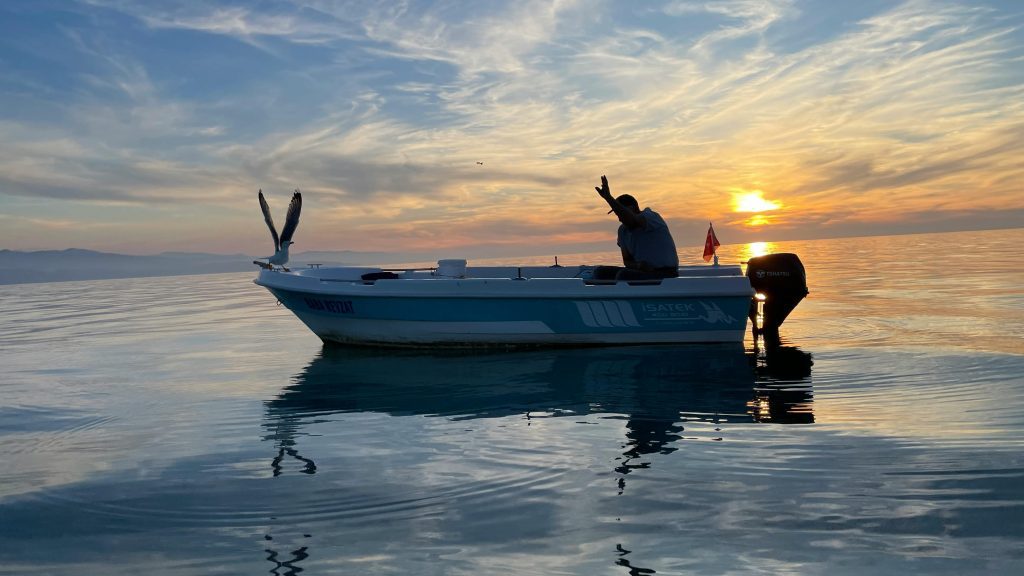
Select craft that match your market and brand: nimble skiffs for fishing trips, pontoon boats for family rentals, or sleek catamarans for premium tours. New boats offer reliability; used vessels reduce startup costs but demand careful inspection. Explore financing options—bank loans, marine lenders, leasing, or owner-operator partnerships—and forecast maintenance costs into your budget. Set up a preventative maintenance schedule for engines, hulls, electronics, and safety gear to minimize downtime. A well-maintained fleet lasts longer and keeps reviews glowing.
Operations & Guest Experience: Staffing, Booking Systems, and Safety Protocols
Operational efficiency and memorable customer experiences drive repeat business. Hire skilled captains with local knowledge and strong people skills; seasonal staff should be trained in safety and hospitality. Implement a booking system that handles reservations, payments, waivers, and automated reminders—mobile-friendly is essential. Create standard operating procedures for check-in, on-water briefings, and inclement weather policies. Small touches — bottled water, binoculars, informative narration — turn a basic ride into a standout tour.
Marketing & Growth Strategies: Pricing, Promotion, and Scaling for Profit
Price strategically: balance competitive rates with margin goals and seasonal discounts to boost occupancy. Promote through a mix of channels—SEO-optimized website, OTA partnerships, social media storytelling, and local cross-promotions with hotels and tour desks. Encourage reviews and user-generated content with incentives, and collect customer data for targeted repeat marketing. When demand stabilizes, scale thoughtfully: add boats with complementary offerings, expand service hours, or franchise the model. Reinvest profits into fleet upgrades, staff training, and marketing to keep the momentum.
Starting a boat rental or tour business blends passion for the water with disciplined planning. Chart a clear course, stay compliant and safe, invest in the right vessels, run efficient operations, and market with intent — and you’ll be steering toward wave-making profits.