From Dream to Dock: Validating Your Market and Niche
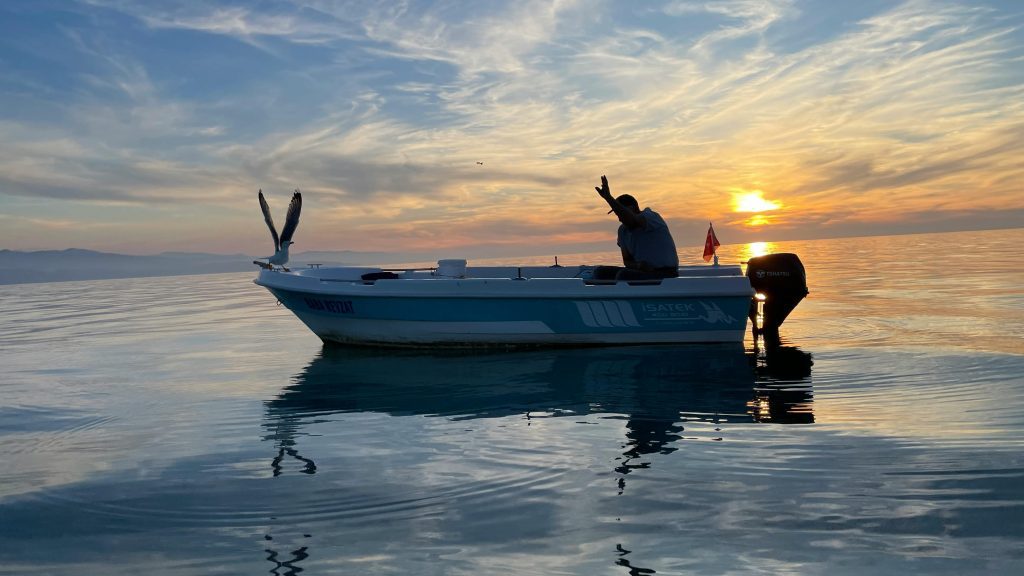
Before you buy a boat or print your first brochure, test the water. Start by researching local demand: tourist numbers, waterfront traffic, seasonal patterns, and competitor offerings. Talk to marina managers, local tourism boards, and potential customers—short surveys and informal interviews go a long way. Find a niche that fits both passion and profit: sunset cruises, eco-tours, fishing charters, adrenaline kayak rentals, or luxury private hires. Validate with a minimum viable offering—rent one vessel for a weekend or run a pop-up tour—to see who shows up and what they’ll pay. Listen, iterate, and refine.
Boats, Permits, and Paperwork: Legal & Operational Essentials
The paperwork isn’t glamorous, but it’s non-negotiable. Register your business, secure necessary maritime and local permits, and comply with Coast Guard and harbor regulations. Insurance is crucial: liability coverage, hull insurance, and protection for passengers. Draft clear rental agreements and waivers—have a maritime attorney review them. Establish maintenance protocols: scheduled engine checks, safety equipment audits, and a dependable dock or storage solution. Keep records tidy—logbooks for hours, incidents, inspections, and repairs. Clean, documented operations keep regulators and customers happy.
Crafting Irresistible Experiences: Tours, Pricing, and Safety
People don’t just buy a ride; they buy memories. Design routes that highlight scenery, wildlife, or local culture. Add unique touches—local snacks, storytelling guides, music playlists, or photo stops. Pricing should reflect value and seasonality: hourly rentals, package deals, and premium add-ons (private guide, equipment rental, catering). Implement strict safety protocols: life jacket policy, emergency procedures, certified crew, and first-aid kits. Train staff not only in safety but also in hospitality—friendly, informed guides are repeat-business magnets.
Marketing That Makes Waves: Branding, Channels, and Partnerships
Create a memorable brand—name, logo, and tone that evoke the sea and your unique offering. Use a mix of channels: an SEO-optimized website with easy booking, active social media for visuals and reviews, local listings, and Google/Facebook ads targeted to tourists and locals. Leverage partnerships: hotels, tour operators, fishing shops, and event planners can refer guests. Collaborate with influencers or local photographers for eye-catching content. Encourage reviews and user-generated photos—word-of-mouth fuels bookings faster than any ad.
Scaling Smoothly: Fleet Growth, Staffing, and Financial Management
Scale on solid foundations. Add boats only when utilization justifies the expense. Diversify fleet types to broaden appeal—smaller rentals for solo adventurers, larger vessels for groups. Hire crew in stages: seasonal staff, then core full-time team as demand stabilizes. Invest in training and retain talent with predictable schedules and incentives. Financially, track metrics: revenue per boat, occupancy rate, customer acquisition cost, and maintenance expense. Reinvest profits into marketing and reliable equipment. Plan for seasonality with cash reserves and off-season offerings—storage tours, corporate events, or maintenance services.
Start small, operate smart, and prioritize great experiences. With careful validation, legal compliance, compelling tours, savvy marketing, and measured growth, your boat rental or tour business can turn that dream into an enduring seaside success.